

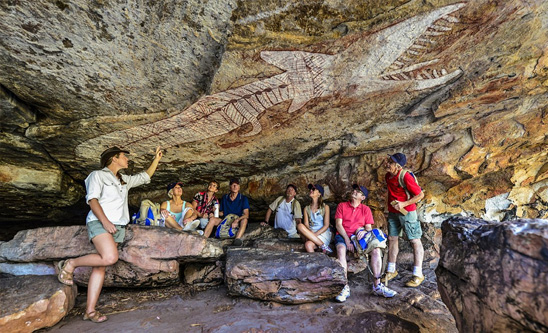
A guided land tour takes the guesswork out of travel while keeping the thrill of discovery. You get set routes, set times, and a pro who knows the area. That means fewer queues, smoother transfers, and more time on the ground. A good tour also handles the nuts and bolts—permits, tickets, and safety checks—so you can focus on the views, the food, and the stories. You still have choices each day, but you won’t lose hours figuring out where to go next. In short, you trade stress and wasted time for a steady pace and local insight. Here’s what to expect, and why many travelers say the value is clear.
How Days Are Planned
Guided tours run on a clean daily rhythm. You’ll see planned “time blocks,” short breaks, and built-in buffers for traffic or weather. Expect a briefing each morning so you know the route, walking time, and bathroom stops. A sample outline looks like this:
- 7:30–8:00: Breakfast and briefing
- 8:15: Wheels rolling (safety check done)
- 10:30: Photo stop and restrooms
- 12:30: Lunch window
- 15:00: Key site or hike
- 18:00: Hotel check-in
Behind the scenes, guides map drive times with real data, not guesswork, and mark “decision points” to shorten or extend visits. They track daylight hours, road works, and local events, then fine-tune the schedule so the group stays on time without feeling rushed.
What Your Guide Does
Your guide is part trip leader, part teacher, and part safety officer. They read weather and road reports, watch group energy, and adjust plans when needed. They also handle calls, tickets, and permits, which keeps you away from long lines. During walks, they set a steady pace, point out easy paths, and mark meetup spots so no one feels lost. Most carry first-aid training and know local clinics in case a minor issue pops up. Expect short stories that fit the place—how a canyon formed, why a village sits there, or what local rules mean. The best guides listen, too, and offer choices like a shorter trail or a quiet café if your legs want a lighter hour.
Group Size and Pace
Group size shapes the feel of a tour. Smaller groups (often 8–16) tend to move faster, enter tiny cafés, and reach viewpoints with less waiting. Larger groups can be lively and social, and usually bring a second guide or driver to keep things smooth. Pace is set by the whole group, not the fastest person, so the plan includes “gather points” every so often. Many tours label walks with a simple scale—easy, moderate, or strenuous—along with distance and elevation so you can choose well. A common rule is “rest 5–10 minutes per hour of walking.” If there’s a big spread in speeds, you may see A/B options: a longer path for keen walkers and a shorter loop for easygoing strollers.
Transport and Safety Gear
Expect well-kept vehicles sized to the route: minibuses for towns, high-clearance vans or 4x4s for bumpy roads. Drivers run pre-trip checks on tires, brakes, lights, and seat belts. Many companies rotate seats daily for fairness and comfort. Your safety talk covers simple but vital steps—hydration, sun care, handrails on steps, and what to do if you’re separated. Gear tips are clear and practical: sturdy shoes with grip, a light rain shell, a hat and shades, and a refillable bottle. Some tours bring trekking poles, microspikes in icy months, or reflective vests for dusk roadside stops. A standard kit includes first-aid basics and an emergency contact sheet. Radios or a satellite device add a backup when cell service drops.
Permits, Access, Timing
Busy parks and heritage sites often use timed entry, daily caps, or zone permits. Your tour secures these early and plans arrivals to match low-crowd windows—often right at opening or late afternoon. Guides also watch legal driving hour limits and local rules on quiet times, wildlife distance, and waste. In some regions, access roads close after heavy rain or during fire risk; tour tracks those notices and hold a Plan B ready. Expect clear heads-ups on photography rules, bag checks, and dress codes at sacred places. Timing matters: daylight shifts by season, and that changes the order of stops. Good tours publish a “probable plan” and explain where timing is strict (permits) and where it’s flexible (extra photo time if the light is great).
Money, Fees, and Tips
The price usually covers hotels, transport, guide fees, most entry tickets, and some meals. Read the “included vs. not included” list with care. Common extras are lunches, drinks, optional shows, and single-room supplements. Local taxes or small park fees can be cash only, so bring a little local currency. Cards are widely used in cities, less so in remote areas. ATMs may be rare outside towns. Tipping customs vary; your guide will state a simple range and how to split it between guide and driver if both are serving you. Keep a small buffer for surprise costs—laundry, snacks, or a longer cable car ride if the view looks worth it. Travel insurance is wise for health and cancellations.
What to Pack
Pack light, then lighter. Space in vans is precious, and a soft duffel often fits better than a hard suitcase. A common limit is one main bag (15–20 kg) and a daypack (20–25 L). Focus on layers you can add or remove fast. Useful items include:
- Breathable base layer and warm mid-layer
- Waterproof jacket and packable umbrella
- Trail shoes with good tread
- Hat, sunglasses, and sunscreen
- Refillable bottle (at least 750 ml)
- Simple first-aid: plasters, pain relief, any meds
- Power bank and charging cable
- Copy of ID, and any permits the team issued
Your guide will share a weather update the night before so you can set the next day’s kit without fuss.
Tech That Supports Tours
Smart tools quietly keep the trip smooth. Guides mark GPS waypoints for photo stops, trailheads, and safe pull-outs. Many use offline maps in areas with a weak signal. You might scan a QR code to see the day’s plan, hotel Wi-Fi, or menu notes. Radios help the guide and driver talk across bends; a satellite messenger may backstop emergencies in remote zones. Weather apps track a storm cell so the group can leave a viewpoint five minutes early and stay dry. For you, a simple note app and shared albums make it easy to swap photos. Charging is managed, too: vehicles often have USB ports, and some tours rotate a small power station so people can top up without worry.
Handling the Unexpected
Roadworks, a sudden downpour, or a sick tummy—stuff happens. A solid tour has “if-then” options ready. If a pass closes, there’s a lake walk; if a museum goes on strike, there’s a street-food stroll that still fits the story of the place. Guides set meetup points and time windows, then do headcounts at each stop. You’ll hear plain briefings like, “If you’re delayed, message here; if you have no signal, wait at Point A.” Refund rules are explained up front, as are weather terms for changes. A short safety sheet lists clinic addresses and the 24/7 number to call. This clear plan saves time, lowers stress, and keeps the day enjoyable even when plans shift.
Ready for the Road
A guided land tour gives you time back—time you would spend guessing routes, hunting for parking, or standing in lines. You still get room for small choices, but the heavy lifting is done: tickets booked, timing set, risks thought through. Guides turn raw views into stories, link the day’s stops, and keep the group safe and steady. If you want a trip that feels easy yet full, this is a smart way to see more with less strain on your schedule and budget. When you’re ready to plan your next break with all of this built in, choose Travel with Elizabeth.